Austin · Central
Slab Leak Repair and Replacement in Central Austin, TX
Looking for slab leak repair and replacement in Central Austin? Central Austin mixes raised bungalows, mid-century slab ranches and new infill. What is under a floor depends on which of those you have.
Answered 24 hours a day, every day.
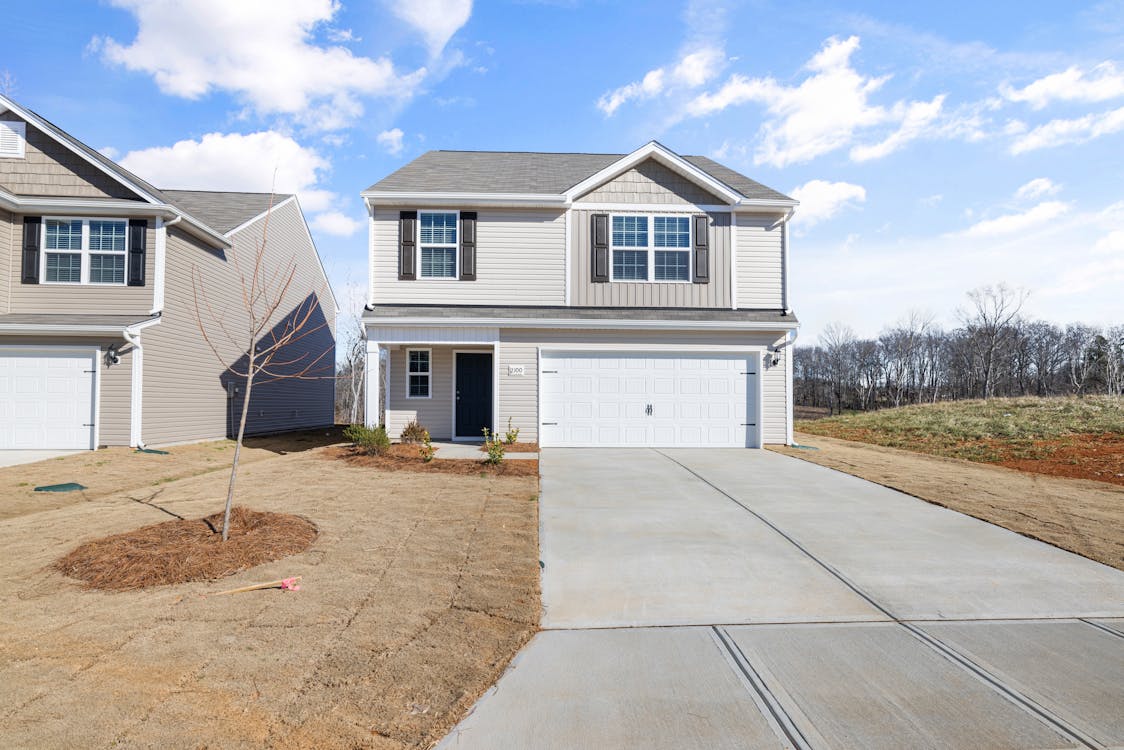
Bungalows, ranches and infill on the same blocks
Hyde Park, Bouldin, Zilker and the streets around the center have many houses from the 1900s to the 1940s on piers. Tarrytown, Allandale and Brentwood have a lot of 1940s to 1960s houses, some raised and some on slabs. Infill since the 1990s is mostly slab with PEX. Within a few blocks there can be all three.
A raised house has a crawlspace instead of a slab, so supply leaks are found and reached from below. Additions on concrete are the part that can have a slab leak.
Cast iron drains under the floor
Mid-century houses commonly have cast iron drain lines. Joints can open and the pipe can corrode from the inside. A drain-line leak under a slab is found by isolating and testing the drain system, which differs from searching a supply line. See under-slab drain line leaks.
Say where the dampness appears.
Remodels, additions and mixed plumbing
Central Austin houses are often expanded. A rear addition on a slab joined to an original raised house means two foundation types under one roof, and the plumbing in the addition may tie into old lines in the crawlspace. Leaks tend to show up at the joins between old and new work.
If you are planning an addition, ask for the supply lines in the existing house to be tested at the same time. A technician can tell you what a test involves.
Straight answers on the phone.
Large trees near the house
Central Austin has many large live oaks, pecans and cedar elms. Roots draw moisture unevenly, and on slab houses that adds to movement around the foundation. It is one factor among several and varies by lot.
A local crew explains what happens next.
Tight lots and finished floors
Small lots and finished floors make access the planning problem. Rerouting through an attic or a wall may avoid opening a floor that would be hard to match. Spot repair through the slab may suit other houses. The technician explains what is practical, and flooring contractors handle floors afterwards.
Describe the signs you have seen.
Is it a slab leak?
What homeowners here notice first
- SIGN 01
Warm spot on the floor
A patch that stays warm in shade and with the heating off can follow a hot-water line.
- SIGN 02
Water bill jumped
A bill that rises month after month while the household stays the same.
- SIGN 03
Running water sound
A faint trickle that stops only when the main is closed.
- SIGN 04
Damp or lifting floor
Wet carpet at an edge, cupped wood or hollow-sounding tile.
- SIGN 05
Water heater never rests
Gas or power use that creeps up with no change in routine.
- SIGN 06
Meter moving, fixtures off
A dial that keeps turning after every tap is closed.
ZIP codes in this area
Service area: Central Austin, 78701, 78703, 78704, 78705, 78710, 78712, 78751, 78756 and 78757 (ZIP codes).
Other areas of Austin
More about slab leaks in Central Austin
Homes in Central Austin built more recently are often plumbed with PEX, a flexible plastic that runs in long unbroken lengths with few joints. Because there are fewer connections, leaks are less frequent, and when one does occur it is usually at a single point.
Opening a slab over rock is slower and more disruptive than over soft ground. That is one reason a technician in Central Austin may bring up rerouting a line through the walls or attic as an option, instead of cutting through the floor to reach it.
In Central Austin, the search still starts the same way. Isolating sections of plumbing and testing them shows which line is losing water before anyone listens or looks. Thermal imaging and listening gear then help pinpoint the spot.
In Central Austin, that pattern shapes the options. One leak on a line that is otherwise in good shape often points toward a targeted fix. A line that has leaked more than once may lead to a conversation about rerouting it through the attic or walls, or replacing it. The technician explains which applies to your house and why.
If you are calling from Central Austin, tell the crew what you have noticed and where. A warm floor patch, a high bill or the sound of water in a wall each point to a different first test.
Questions about slab leaks in Central Austin
Not under the main floor. A room added on concrete can.
Houses of that age sometimes have copper. A technician confirms what a particular house has.
They can. Drain-line leaks are found by isolating and testing the drain system.
Roots pull moisture unevenly, which adds to movement near a slab. A technician has to locate a leak to say what caused it.
Isolation, pressure testing, acoustic listening and thermal imaging narrow the location first.
A meter check and a technician’s assessment before closing can show whether water is escaping.
Flooring contractors handle floors, and restoration companies handle drying.
Stop all water use and read the meter. A moving dial points to a leak somewhere on the property.
Slab leak repair and replacement in Central Austin
Call and we’ll connect you with a central Austin crew.
We connect you with a crew near you.