Fort Worth · East and Northeast
Slab Leak Repair and Replacement in East & Northeast Fort Worth, TX
East and northeast Fort Worth share heavy clay with Dallas County and many of the same housing eras. Slabs from the 1950s to the 1980s dominate, and aging copper is the common story. We connect callers in East & Northeast Fort Worth with local crews for slab leak repair and replacement.
Answered 24 hours a day, every day.
The clay on the east side
East of the center, Fort Worth sits on the same expansive clay that runs across eastern Tarrant County. It swells with rain and shrinks and cracks in dry spells. Slabs ride those cycles, and lines beneath them are stressed where they bend or pass through the footing. The effect is slow, and a leak is rarely traced to a single event. See slab leaks and expansive clay.
1950s to 1980s subdivisions
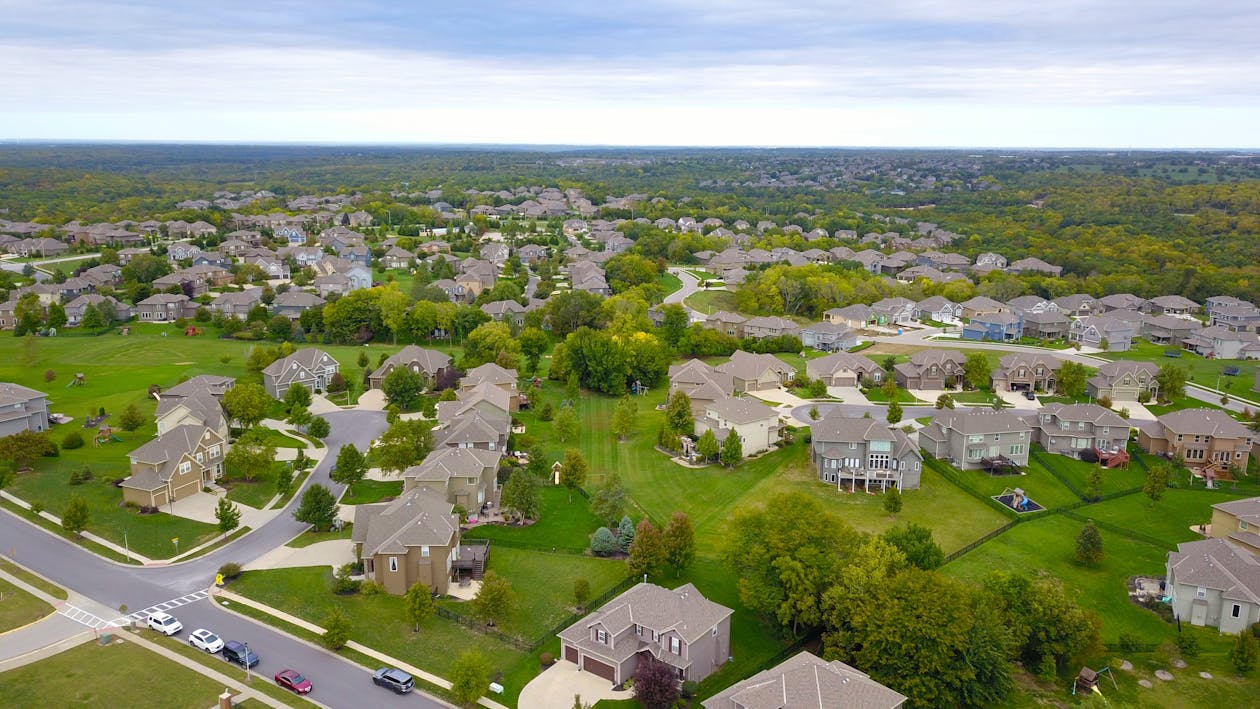
Neighborhoods running east and northeast toward Haltom City, Hurst and the airport area were built in the postwar through the 1980s. Houses are mostly one-story slabs. Many have copper, and some from the late 1970s on may have polybutylene. A technician confirms what a house has, and different streets can differ.
Tell us how much it changed.
Where lines cross the slab edge
In a one-story slab house, the points where a line passes through the slab edge or a footing are places pipes are most exposed to movement. A garage wall that shares a slab with the house is another. Hot lines from a garage heater cross the full width of the slab, which is why a leak there often shows near a hallway or a kitchen doorway.
If you see a damp patch at the slab edge outside, note it. Water can follow the line to the edge and appear there. Tell the technician where and when you saw it.
Where polybutylene leaks tend to be
When polybutylene is present, leaks tend to occur at fittings rather than along the pipe. That affects where a technician looks and what repairs come up. In a house with more than one leak, repiping becomes part of the conversation. See repiping after slab leaks.
Describe what you have already turned off.
What homeowners usually notice
In a one-story slab house, the first sign is often a rising bill, a warm patch in the hall or kitchen, or a water heater that runs more than it used to. A faint hiss at night is common as well. A damp spot along a baseboard can be far from the leak. See a high water bill from a hidden leak.
We connect you with a crew near you.
Spot repair, reroute or more
A technician may present spot repair through the slab, rerouting, pipe lining or repiping. What steers the choice is where the leak is, how many have occurred and the age of the line. No option is promised to last a set time.
Describe the signs you have seen.
Is it a slab leak?
What homeowners here notice first
- SIGN 01
Warm spot on the floor
Tile or wood that feels warm underfoot in one place and cool around it in East & Northeast Fort Worth.
- SIGN 02
Water bill jumped
Higher usage on the bill with nothing new running at home in East & Northeast Fort Worth.
- SIGN 03
Running water sound
A hiss or rush from a floor or wall with every tap closed in East & Northeast Fort Worth.
- SIGN 04
Damp or lifting floor
Moisture at a baseboard that does not match any fixture in East & Northeast Fort Worth.
- SIGN 05
Water heater never rests
A heater that runs well into the night in East & Northeast Fort Worth.
- SIGN 06
Meter moving, fixtures off
In East & Northeast Fort Worth, with everything off, a moving dial or leak indicator means water is escaping somewhere.
ZIP codes in this area
Service area: East & Northeast Fort Worth, 76103, 76112, 76118, 76119, 76120, 76148 and 76155 (ZIP codes).
Other areas of Fort Worth
Central Fort Worth & the Near Southside
West, Southwest & South Fort Worth
North Fort Worth & Alliance
In East & Northeast Fort Worth, All of Fort Worth · Dallas-Fort Worth
More about slab leaks in East & Northeast Fort Worth
Homes in East & Northeast Fort Worth built more recently are often plumbed with PEX, a flexible plastic that runs in long unbroken lengths with few joints. Because there are fewer connections, leaks are less frequent, and when one does occur it is usually at a single point.
In East & Northeast Fort Worth, where this pipe leaks, the trouble is usually at a fitting or connection rather than along the length of the pipe. That matters for the search. A technician tests the connections near the water heater, the main shutoff and the fixture groups first, because those are the likeliest places.
In East & Northeast Fort Worth, minerals in the water can add to the wear over time, though they are one factor among several and no reason to assume a house will leak. What a technician looks at is the pattern: a single leak, several leaks close together, or leaks on different lines.
Newer houses in East & Northeast Fort Worth may still be covered in part by a builder or a plan, so it is worth checking your paperwork before work begins. Mention it on the call so the crew can plan around it.
When you call from East & Northeast Fort Worth, mention how long you have noticed the signs and whether they change with the weather. Those details help a local crew plan the first test.
Questions about slab leaks in East & Northeast Fort Worth
Expansive clay similar to eastern Tarrant County and Dallas. It swells with moisture and shrinks in dry spells.
Homes from roughly the late 1970s to the mid-1990s sometimes do. A technician confirms.
A rising bill, a warm patch on the floor, a water heater that runs more than usual or a hiss at night.
Water moves under a slab and appears where it finds a way up, often at a wall or a doorway.
Usually when a house has had more than one leak or the line is of an age where more are likely. It is one option.
Not always. Builders and repairs change materials over time.
No. Foundation questions are handled by foundation contractors, and this site does not assess them.
Turn off everything that uses water and watch the meter. If it moves, water is escaping somewhere on the East & Northeast Fort Worth property.
Slab leak repair and replacement in East & Northeast Fort Worth
Call and we’ll connect you with an east Fort Worth crew.
Tell us what was repaired before.