After a slab leak repair
After Slab Leak Repair Services in Texas
Last reviewed
Once the leak is repaired and the line has passed its pressure test, the plumbing job is done. What follows depends on what the leak reached and which floors were opened. Call and we’ll connect you with a local Texas crew for slab leak repair follow-up.
Call and describe what you’ve noticed.
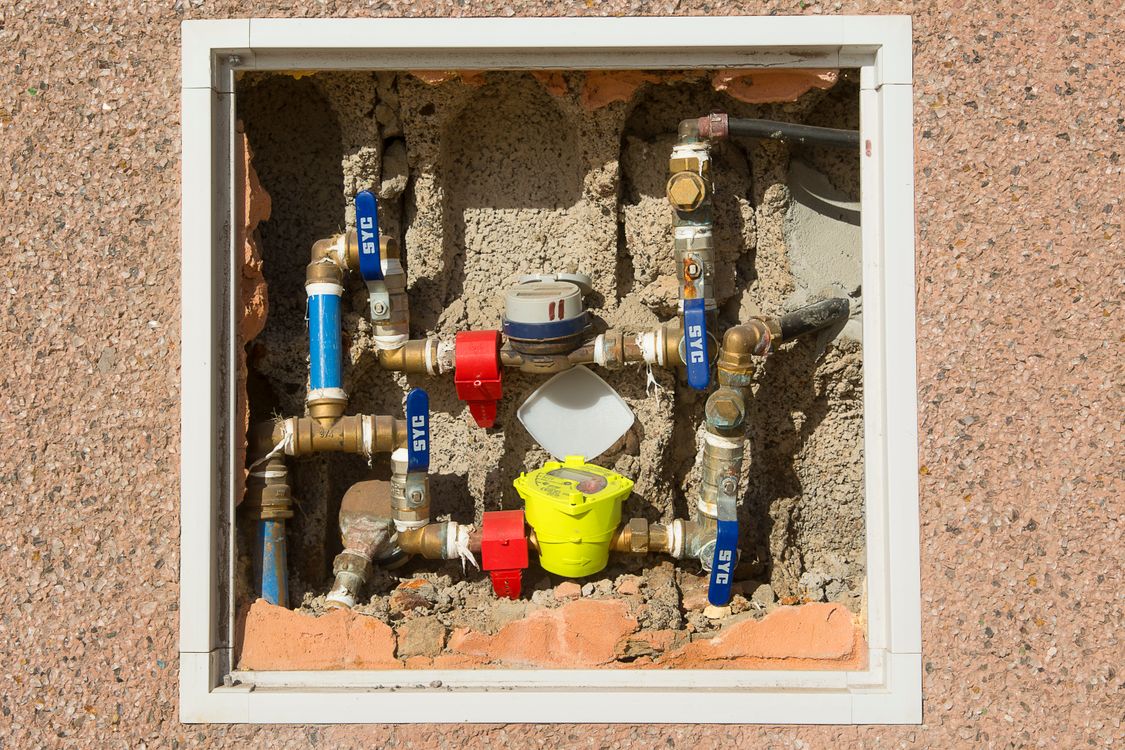
Testing the repair
Before anything is covered, the repaired line is pressure tested to confirm it holds. After water is back on, you can check the meter with everything off to confirm it is still. See water meter leak check.
Concrete, flooring and walls
- Slab openings. The crew backfills and patches the concrete. The patch needs time to cure before it takes heavy loads.
- Flooring. Replacing tile, wood or carpet over the patch is flooring work, usually handled by a flooring contractor.
- Drywall. After a reroute or repipe, access openings are patched. Texture and paint are generally separate.
If you have spare tile from the original installation, keep it for the flooring contractor.
A warm spot or moving meter after a repair is worth a call.
Drying and cleanup
If water reached floors, cabinets or walls, a restoration company handles drying and cleanup. It is best done soon after the leak is stopped. Ask your plumber to confirm the repair is complete before drying begins, so that water is not still being added.
What to watch for in the following weeks
- A water meter that moves with everything off
- A new warm spot or damp patch
- The sound of water at rest
- A water bill that does not return to normal
- Settling or hollow sounds near the patched area
The bill takes a cycle to reflect the repair. If it stays high after a full cycle, call.
We’ll connect you with the crew that did the work.
The workmanship coverage
Completed work usually carries a workmanship coverage from the contractor who did it. Ask what it covers, for how long and how to request service under it. Coverage on the repair does not cover a leak somewhere else on the line, so ask the technician about the condition of the rest of the pipe. See repeat slab leaks.
A local crew knows how homes in your area are usually plumbed.
Keep a record
Save the invoice, the technician’s notes, photos of the leak location and the date. It helps if another leak occurs, and buyers and inspectors often ask about it when a home is sold.
Describe the signs you have seen.
Watching the house in the weeks after
A repair is usually tested before it is closed, but a few simple checks over the next several weeks give added confidence. None of them replace a technician’s opinion.
- Read the meter. With everything off, the dial or leak indicator should stay still. Repeat the check after a week and again after a month.
- Compare the bill. Look at the next two or three bills against the same months last year. A drop to the usual range is a good sign.
- Feel the floor. A warm spot that was present before should be gone.
- Listen. Running water sounds in a quiet house with everything off are worth a call.
If any sign returns, call and describe what you see. Where it appears matters, because a leak in the same spot and one somewhere else on the line are treated differently.
Checking the meter after the repair
The simplest way to confirm a supply leak has been fixed is the same check that may have found it. With every fixture and appliance off, look at the water meter. The dial and leak indicator should stay still.
Do this a day or two after the repair, and again a week or so later. If the meter is still, the repair is holding and there is no other active leak on the supply side. If it moves, close the main shutoff at the house and check again to see whether the loss is inside or on the line from the meter.
Write down the readings and dates. They are useful if you need to call back, and they give you a baseline for future checks.
Reading the next water bills
Your next few water bills are another check. Compare usage with the same months in earlier years if you have them, or with the months before the leak started. Usage should return to roughly its normal level once the repair is done.
Billing periods do not line up exactly with repair dates, so the first bill after the repair may still include some of the leak. The second bill is usually a clearer guide.
If usage stays high with no change in household habits, look for other causes first, such as a running toilet or irrigation. If those are ruled out, a second meter test is the next step.
If something seems wrong
If the meter moves again, a warm patch returns, or the sound of running water comes back, call the crew that did the repair first. Describe what you have noticed and when it started, and mention any readings you took.
A new symptom does not always mean the repair failed. It may be a separate leak on another part of the line, which is more likely in older systems or where the line has leaked before. Testing is the only way to tell the difference.
If it is a second leak, this is a good time to review the options again. See repeat slab leaks and slab leak repair and replacement.
Restoring the floor
Once the repair has passed testing and the concrete patch has cured, the floor covering can go back. If the original flooring was saved, it may be reinstalled. If not, matching can take time, especially with older tile or hardwood. Ask whoever restores the floor whether the area should dry further first, since flooring laid over damp concrete can fail. Keep any spare flooring for future use.
If the repair was a reroute and the slab was not opened, there is no floor to restore. Instead, small wall or ceiling openings where the new line runs will need patching and paint.
Before new flooring goes down, it is worth running one more meter check. If the meter is still and the patch is dry, the area is ready. If anything has changed, it is far easier to deal with before the floor is finished.
Keep the area clear for a few days after the floor is restored, so adhesives and grout can set. Avoid heavy furniture on new tile until the grout has cured. If the flooring was laid by a separate trade, ask them about care during the first weeks. Then add the restoration date to the record of the repair, along with the flooring product used, so it can be matched again later if needed.
If the patched area cracks or settles in the months after, mention it to the crew who did the repair.
After-repair questions
Usually the same day, after the line has been tested. The technician will tell you when water is back on.
It depends on the mix and conditions. Ask the crew when it can take flooring and heavy loads.
A flooring contractor, usually. The repair crew patches the concrete.
The bill reflects the whole billing cycle. If it stays high after a full cycle, check the meter and call.
Yes. With everything off, see whether it is still.
A restoration company. Ask the plumber to confirm the repair first.
The completed work. Ask the contractor for the terms in writing.
Call. If it is the same repair, the coverage may apply. A different section is a new failure.
Check your lease for any notice requirements.
Call if anything seems off after the repair
We’ll connect you with a local technician who can check it.
Same-day and emergency response in many areas.